


What Is the Best Fresh Dog Food?
Table of Contents
- What Counts as "Fresh" Dog Food?
- What Are the Different Types of Fresh Dog Food?
- What Is the Best Fresh Dog Food?
- What Are the Scientifically Proven Benefits of a Raw Fresh Diet?
- What Are the Best Fresh Dog Food Options for Puppies?
- What Are the Best Fresh Dog Food Options for Large Breeds?
- What Are the Best Fresh Dog Food Options for Small Breeds?
- What Is the Best Fresh Food for Dogs With Sensitive Stomachs?
- How Do You Decide Which Fresh Food Is Best for Your Dog and Lifestyle?
- How Does We Feed Raw Ensure Safety Without Heat?
- Ready to Upgrade to the Best Fresh Dog Food?
The best fresh dog food is an unheated, biologically appropriate raw diet made from high-quality muscle meat, organ meat, and finely ground bone, delivering optimal moisture and bioavailable nutrients without high-heat processing, synthetic chemical preservatives, or starchy carbohydrate fillers.
As more pet parents recognize the health limitations of ultra-processed dry kibble, the demand for fresh feeding has surged across the country. However, not all fresh diets offer the same nutritional value.
While gently cooked options provide an upgrade over dry pellets, uncooked raw food delivers nutrients in their most natural, bioavailable state.
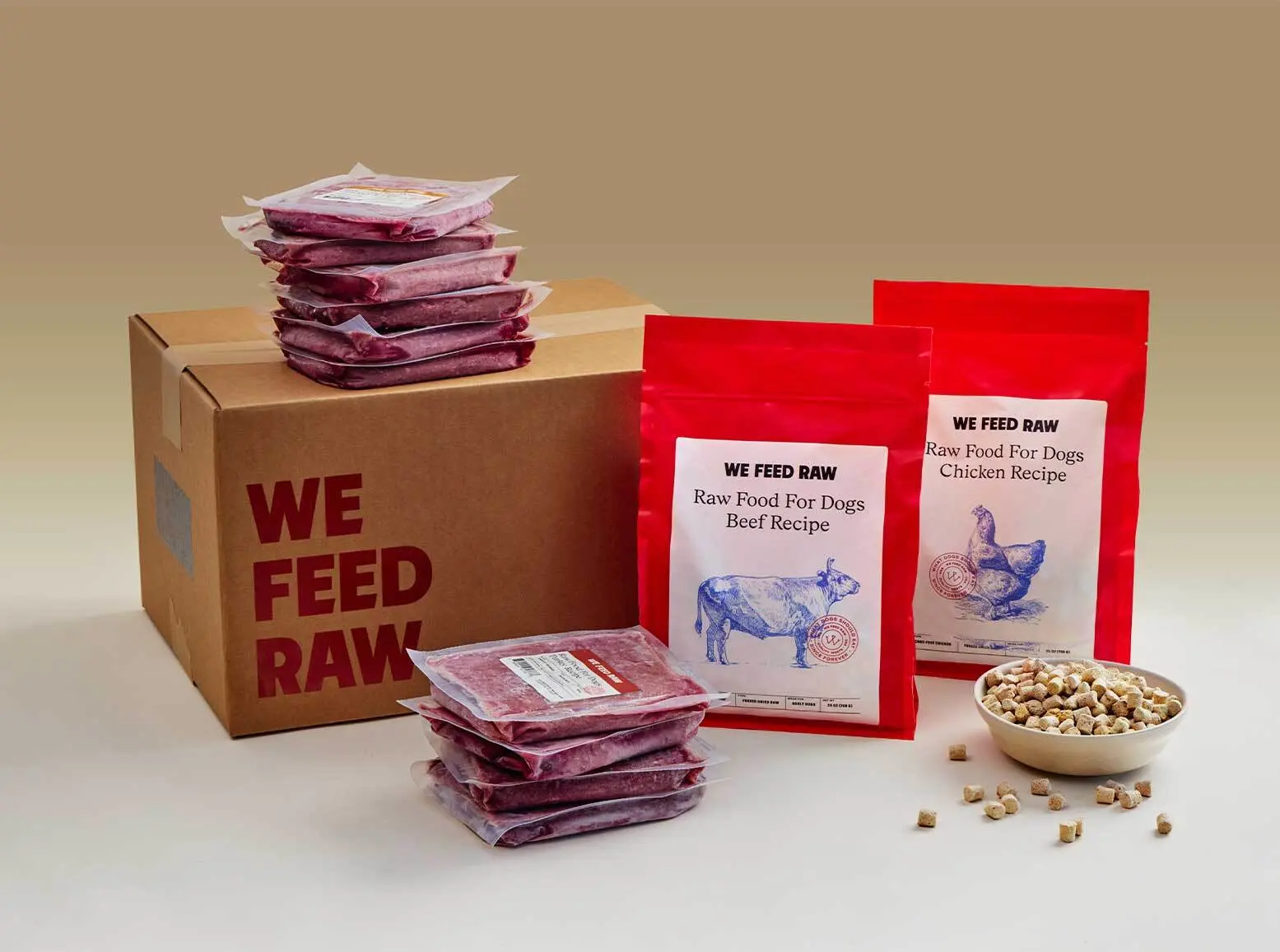
At We Feed Raw, our nutritionist-formulated frozen patties and freeze-dried recipes provide ancestral nutrition designed to support digestive health, immune resilience, and lean muscle mass for dogs of every size and life stage.
What Counts as "Fresh" Dog Food?
Fresh dog food consists of whole, nutrient-dense ingredients that retain their natural cellular moisture and biological integrity without undergoing high-heat dehydration, extrusion, or chemical shelf-life stabilization.
Unlike conventional pet foods that sit in warehouse bags for months or years, fresh dog food relies on natural preservation methods, such as freezing or freeze-drying, to protect fragile nutrients.
True fresh dog food is defined by several core characteristics:
•Whole Animal Ingredients: High concentrations of real muscle meat and nutrient-rich secreting organs serve as the primary foundation, rather than rendered meat meals or concentrated plant proteins.
•Natural Cellular Moisture: Fresh food naturally contains approximately 70% or more moisture. This dietary hydration supports kidney function, promotes urinary tract health, and aids smooth digestion far better than moisture-depleted dry foods.
•Absence of Synthetic Preservatives: Fresh meals do not require artificial preservatives like BHA, BHT, or ethoxyquin to prevent spoilage on retail shelves.
•Minimal Processing: Ingredients remain as close to their natural state as possible, avoiding the extreme heat that damages delicate amino acids.
Many pet parents ask: “Is raw dog food considered fresh?” Yes, raw dog food is fresh food in its purest, most unaltered form.
While cooked fresh food applies heat to change the physical and chemical state of the meat, frozen raw food preserves whole ingredients at peak nutritional freshness through sub-zero freezing rather than thermal cooking.
What Are the Different Types of Fresh Dog Food?
Navigating the fresh pet food category involves understanding the four primary formats available to dog owners: commercial frozen raw, commercial gently cooked, commercial freeze-dried raw, and homemade meals.
Commercial Frozen Raw Food
Commercial frozen raw food features species-appropriate meats, organs, and bone that are packaged and frozen immediately after preparation.
Because it undergoes zero cooking, frozen raw food preserves 100% of its natural enzymes, unheated amino acids, and intact fatty acids.
Commercially prepared brands balance these meals to meet established nutritional standards and often use non-thermal pasteurization methods to manage pathogens safely.
Commercial Gently Cooked Food
Gently cooked fresh food uses recognizable ingredients that are cooked at lower temperatures than conventional dry kibble. These meals are typically packaged in refrigerated or frozen pouches.
While gently cooked foods offer higher moisture and better ingredient quality than dry foods, cooking heat still alters protein structures and destroys natural digestive enzymes.
Additionally, many cooked fresh recipes incorporate significant amounts of starchy binders to keep production costs down.
Commercial Freeze-Dried Raw Food
Freeze-dried raw food begins with fresh, uncooked raw ingredients that undergo a specialized process called lyophilization.
In this process, moisture is gently removed under cold temperatures and a vacuum, turning frozen water into vapor without applying heat.
The result is a lightweight, shelf-stable food that retains the full nutritional value, living enzymes, and flavor of raw meat without requiring freezer storage.
Homemade Fresh Diets (Cooked or Raw)
Some dog owners choose to prepare fresh meals from scratch in their own kitchens. While making food at home comes from a place of love, it is difficult to do safely.
Peer-reviewed veterinary studies show that the vast majority of homemade raw and cooked recipes suffer from severe nutritional deficiencies. Common mistakes include improper calcium-to-phosphorus ratios, missing trace minerals like zinc and iodine, and inadequate vitamin levels.
Furthermore, preparing meals with standard supermarket meats introduces bacterial risks because grocery store meat is legally permitted to carry surface pathogens with the expectation that it will be cooked for humans.
Commercial fresh foods eliminate these nutritional and safety concerns.
What Is the Best Fresh Dog Food?
The best fresh dog food is an unheated, commercially balanced raw diet that delivers peak nutrient bioavailability, living digestive enzymes, and a species-appropriate, low-carb macronutrient profile.
When evaluating fresh food options, uncooked raw food consistently outperforms gently cooked alternatives across every biological metric.
Unheated Micronutrients and Live Enzymes
Applying heat to food initiates the Maillard reaction, a chemical process that binds carbohydrates to proteins, forming advanced glycation end-products (AGEs) that promote systemic inflammation.
Furthermore, cooking degrades delicate B-complex vitamins and heat-sensitive amino acids like taurine, requiring manufacturers to add synthetic vitamin and mineral premixes back into the food.
Raw food avoids thermal damage completely, delivering vitamins, minerals, and live enzymes in the biological forms your dog's tissues evolved to absorb.
Low-Carb Species-Appropriate Nutrition
Canines are carnivores with short, acidic digestive systems designed to break down animal protein and fat, not starchy carbohydrates.
Many gently cooked fresh brands pad their recipes with 20% to 40% starchy carbohydrates, including sweet potatoes, rice, pasta, lentils, and peas, to add volume. These high-glycemic starches can trigger blood sugar spikes, contribute to unwanted weight gain, and fuel inflammatory yeast overgrowth.
We Feed Raw focuses on species-appropriate, low-carb nutrition that honors your dog's ancestral dietary needs.
Superior Digestive Efficiency
Because raw animal protein and fat absorb cleanly in the upper gastrointestinal tract, your dog's body utilizes almost every ounce of food consumed.
This high digestibility means very little unabsorbed residue reaches the colon, resulting in smaller, firmer, and far less smelly stools.
According to PhD animal nutritionist Dr. Richard Patton: "Excess carbohydrates are one of the biggest problems in modern pet diets. A raw diet aligns far more closely with a dog’s natural nutritional needs."
What Are the Scientifically Proven Benefits of a Raw Fresh Diet?
The benefits of feeding a fresh raw diet are supported by robust, peer-reviewed veterinary science.
Major international veterinary universities have published longitudinal studies demonstrating the clinical advantages of raw feeding:
•Superior Digestibility and Nutrient Absorption: A study published in the Journal of Animal Science demonstrated that dogs fed raw diets showed significantly higher apparent total tract digestibility of crude protein and fat compared to dogs fed extruded dry food, producing noticeably lower fecal volume and firmer stool consistency.
•Lifelong Protection Against Skin Allergies: Research from the University of Helsinki published in the Journal of Veterinary Internal Medicine revealed that feeding puppies a non-processed raw diet significantly reduced the risk of developing atopic dermatitis and allergic skin disease in adulthood.
•Lower Incidence of Chronic Digestive Disorders: A study published in Scientific Reports found that feeding fresh, raw food during early development and adolescence was associated with a significantly decreased risk of chronic enteropathies and inflammatory gastrointestinal disorders in adult life.
•Decreased Risk of Recurrent Ear Infections: Epidemiological research published in Frontiers in Veterinary Science showed that dogs fed raw animal foods during early life experienced a significantly lower rate of otitis externa (ear infections) as adults compared to dogs raised on ultra-processed diets.
According to holistic veterinarian Dr. Katie Woodley: "A raw diet is the most natural and biologically appropriate way to feed dogs. Their digestive systems are designed to handle raw meat, organs, and bones. Raw food provides highly bioavailable nutrients, which means your dog's body can absorb and use them more effectively."
What Are the Best Fresh Dog Food Options for Puppies?
The best fresh dog food options for puppies are complete and balanced raw meals that supply dense, bioavailable animal protein, unoxidized fatty acids for neurological development, and carefully regulated mineral ratios to promote steady skeletal growth.
Puppies experience rapid cellular division and require concentrated, low-carb nutrition that fuels steady growth without the metabolic strain caused by starchy fillers.
Key nutritional factors for growing puppies include:
•Cognitive and Retinal Support: Raw animal fats supply natural, unoxidized omega-3 fatty acids, including DHA (docosahexaenoic acid), which is essential for central nervous system maturation and early trainability.
•Controlled Calcium-to-Phosphorus Ratios: Large and giant-breed puppies are highly sensitive to mineral imbalances. Commercial puppy food must maintain precise calcium and phosphorus levels to prevent developmental orthopedic disorders such as hip dysplasia and osteochondritis.
•Complete Life-Stage Formulations: All five of We Feed Raw's frozen raw recipes (chicken, beef, turkey, duck, and lamb) are formulated to meet the Association of American Feed Control Officials (AAFCO) nutrient profiles for all life stages, explicitly including the growth of large-size puppies.
•Adult Formula Clarification: While our frozen raw patties are complete for puppies of all sizes, our shelf-stable freeze-dried raw recipes are formulated specifically for adult dogs.
Holistic veterinarian Dr. Katie Woodley notes: "Starting a puppy on a raw diet sets them up for optimal health, providing essential nutrients in their most bioavailable form, supporting better digestion, improved coat health, increased energy, and stronger immune function."
What Are the Best Fresh Dog Food Options for Large Breeds?
The best fresh dog food options for large breeds provide high-protein, low-carb nutrition with precise mineral ratios to support substantial skeletal frames, protect weight-bearing joints, and preserve lean muscle mass.
Large dogs carry significant weight, making them particularly vulnerable to joint degradation and obesity.
Feeding a species-appropriate raw diet provides distinct advantages for large breeds, including:
•Lean Body Condition Management: Excess dietary carbohydrates lead to frequent insulin surges and unwanted body fat accumulation. Extra body fat places immense structural stress on hips, knees, and elbows. Feeding a low-carb raw diet keeps large dogs lean and athletic throughout their lives.
•Natural Joint Compounds: Raw muscle meat, sinew, and connective tissues naturally provide glucosamine, chondroitin, and collagen. These building blocks help maintain healthy synovial joint fluid and nourish cartilage without relying exclusively on synthetic joint supplements.
•Safely Ground Bone: While large dogs love chewing, whole recreational bones can cause slab fractures on carnassial teeth or pose serious intestinal obstruction risks. We Feed Raw finely grinds raw bone directly into every patty, delivering natural calcium and phosphorus in a safe, easily digestible form.
What Are the Best Fresh Dog Food Options for Small Breeds?
The best fresh dog food options for small breeds provide calorie-dense, bioavailable nutrition in a soft, easily chewable texture that accommodates faster metabolic rates, tiny stomach capacities, and dental vulnerabilities.
Small and toy breeds have unique biological demands that commercial dry foods often fail to satisfy.
Tailored benefits for small dogs include:
•Caloric Density for High Metabolisms: Small dogs burn significantly more calories per pound of body weight than large dogs. High-density animal protein and natural fats supply concentrated energy in compact portions, ensuring small dogs receive the fuel they need without overfilling tiny stomachs.
•Enzymatic Oral Care: Small breeds are genetically prone to severe dental crowding and rapid periodontal disease. Conventional kibble leaves behind a sticky carbohydrate film that feeds oral bacteria. Raw meat contains natural living enzymes that help prevent food residues from adhering to teeth and gums.
•Solving Picky Eating: Small dogs are notorious for turning their noses up at bland, dry kibble. The rich aroma and natural flavor of real raw meat appeal directly to their carnivorous instincts.
•Freeze-Dried Convenience for Small Dogs: For pet parents with small dogs, We Feed Raw's shelf-stable freeze-dried chicken and beef recipes offer complete adult nutrition in an easy, scoopable format that works wonderfully as a full meal or a flavor-packed meal topper.
What Is the Best Fresh Food for Dogs With Sensitive Stomachs?
The best fresh food for a sensitive stomach is a single-protein raw diet that eliminates irritating industrial gums, chemical binders, and heavy starches, giving an inflamed digestive tract the clean foundation it needs to recover.
Chronic digestive distress like gas, loose stools, and stomach gurgling is frequently driven by gut inflammation and microbial dysbiosis.
To soothe a sensitive digestive system, focus on three essential dietary elements:
•Single-Protein Elimination: Committing to a true single-protein recipe, such as We Feed Raw's pure turkey, chicken, or beef, allows you to remove dietary triggers and run a clean food elimination trial.
•Zero Artificial Gums or Binders: Commercial canned and fresh-cooked foods often rely on thickeners like carrageenan, guar gum, and xanthan gum to bind moisture. These gums can irritate the mucosal lining of the intestines. Raw frozen food requires no artificial binders.
•Removing Fermentable Starches: Eliminating high-glycemic grains and legumes starves gas-producing bacteria in the colon, providing rapid relief from flatulence and abdominal cramping.
•The Sensitive Stomach Transition: For dogs with delicate digestion, follow a gradual 14-to-21-day transition schedule. If your dog experiences temporary stool softness at any stage, hold at that current ratio for two to three days until digestion stabilizes before advancing.
How Do You Decide Which Fresh Food Is Best for Your Dog and Lifestyle?
Choosing the best fresh food involves balancing your dog's individual health requirements with your household routine and kitchen space.
Consider these practical factors when building your feeding plan:
•Your Dog's Life Stage and Needs: Match your food selection to your dog's age and health goals. Growing puppies thrive on our complete frozen patties, while adult dogs can enjoy either our frozen patties or our shelf-stable freeze-dried line.
•Storage and Travel Flexibility: If you have adequate freezer space, frozen raw patties provide the ultimate ancestral diet. If freezer space is limited, or if you travel frequently with your dog, our freeze-dried recipes offer complete raw nutrition with the convenience of dry storage.
•Feeding Flexibility: You do not have to feed 100% raw to see noticeable health improvements. You can feed complete raw meals, practice combination feeding by splitting meals 50/50 with your current food, or use raw patties as a nutritious daily bowl topper.
•Evaluating the Cost: While fresh raw food has a higher upfront cost per meal than mass-produced dry kibble, it delivers significant long-term value. Investing in high-quality fresh nutrition helps reduce recurring veterinary costs associated with chronic allergies, ear infections, gastrointestinal issues, and dental cleanings.
•Prep Convenience: Traditional homemade raw feeding requires sourcing obscure cuts of meat, balancing organ ratios on kitchen scales, and cleaning messy preparation surfaces. We Feed Raw removes this hassle by delivering pre-portioned, customized patties directly to your doorstep. You simply thaw a package in your refrigerator, peel the top off, and portion it directly into your dog's bowl.
How Does We Feed Raw Ensure Safety Without Heat?
We Feed Raw ensures food safety without cooking by combining human-grade USDA-inspected sourcing, disease-control oversight, SQF Level 3 certified manufacturing, third-party batch testing, and non-thermal cold pasteurization.
Many dog owners hesitate to feed raw because they worry about pathogens like Salmonella and Listeria. We address these concerns proactively at every step of our supply chain.
Our multi-layered safety protocols protect both pets and their human families:
•Proactive Sourcing Controls: We source our ingredients exclusively from USDA-inspected, human-grade suppliers. Poultry flocks are subject to rigorous agricultural inspection and disease-control protocols before arriving at production facilities, significantly reducing risk right from the start.
•Certified Manufacturing Facilities: Our meals are crafted in a Safe Quality Food (SQF) Level 3 certified facility following strict Hazard Analysis Critical Control Point (HACCP) standards.
•Third-Party Test-and-Hold Protocol: Every single batch undergoes third-party laboratory testing before it is cleared to ship to customers, ensuring verified safety before the food enters your home.
•Cold-Water High-Pressure Processing (HPP): Every We Feed Raw recipe is cold-pasteurized using pure cold water and high pressure to achieve a 5-log, or 99.999%, reduction in potentially harmful pathogens, making it as safe as gently cooked without using heat.
Holistic veterinarian Dr. Katie Woodley emphasizes: "At We Feed Raw, safety is never an afterthought. Every meal is made with high-quality, USDA meats and handled with care using a process that protects both the nutrition and your dog’s well-being. As a holistic veterinarian, I feel confident recommending this food because it’s carefully sourced, safe, and biologically appropriate."
Ready to Upgrade to the Best Fresh Dog Food?
Upgrading your dog to fresh food is one of the most impactful choices you can make for their long-term health, vitality, and longevity.
By replacing heavily processed starches and extruded dry pellets with real, unheated animal protein, organs, and finely ground bone, you provide your dog with the exact evolutionary fuel their body was built to process.
We Feed Raw takes all the guesswork and kitchen mess out of species-appropriate feeding. Our meals are formulated by a PhD animal nutritionist, backed by comprehensive cold-water safety protocols, and delivered directly to your doorstep in convenient, pre-portioned packs.
Take our quick online quiz today to build your dog's customized meal plan and give your canine companion the lasting benefits of true fresh nutrition.
Our Meals Change Lives.
(Theirs + Yours.)
See health improvements from our raw meals in as little as 1 week.
Find your dog's perfect plan


