


What Is the Best Dog Food for Digestive Problems?
Table of Contents
- How Does Canine Anatomy Affect Digestive Health?
- What Are the Common Signs and Causes of Canine Digestive Distress?
- What Are the Scientific Benefits of Raw Food for Canine Digestion?
- Why Do Single-Protein Recipes and Low-Carb Nutrition Soothe Irritated Guts?
- How Does We Feed Raw Ensure Safety for Dogs With Compromised Digestion?
- What Is the 14-to-21-Day Transition Schedule for Dogs With Digestive Problems?
- What Are the Most Flexible Ways to Feed Raw for Digestive Relief?
- How Can You Give Your Dog Lasting Digestive Relief?
The best dog food for digestive problems is an unheated, biologically appropriate raw diet made from highly bioavailable animal protein, nutrient-dense organs, and finely ground bone, free from starchy binders, artificial gums, and hard-to-digest plant fillers.
Many dogs with chronic digestive problems struggle on conventional commercial foods because high extrusion temperatures and heavy grain or legume starches place continuous strain on the gastrointestinal tract.
A fresh raw diet delivers nutrients in their most natural, bioavailable state, allowing an irritated bowel to rest, absorb essential fuel efficiently, and rebuild a resilient gut microbiome.
At We Feed Raw, our pre-portioned meals provide low-carb, species-appropriate nutrition formulated by a PhD animal nutritionist to help restore healthy digestion and firm stool consistency.
How Does Canine Anatomy Affect Digestive Health?
Canine digestive anatomy is biologically built to break down raw meat and bone rapidly through high gastric acidity and a short intestinal tract, lacking the salivary enzymes required to digest high-carbohydrate plant matter.
Every stage of a dog's digestive system reflects their evolutionary heritage as carnivores:
•Teeth and Jaws: A dog's sharp, pointed teeth and vertical jaw hinge are designed for grasping, tearing, and swallowing whole animal tissues, rather than the circular grinding motion used by herbivores and omnivores to crush fibrous plant matter.
•Absence of Salivary Amylase: Unlike humans, dogs produce no salivary amylase in their mouth to initiate starch digestion during chewing. When a dog consumes starch-heavy kibble, the entire burden of producing amylase falls on the pancreas, creating chronic metabolic and digestive strain.
•Concentrated Gastric Acidity: A healthy dog eating a meat-based diet maintains an intensely acidic resting stomach pH between 1 and 2. This concentrated acidity activates pepsin, swiftly dissolves finely ground bone, and acts as an innate antimicrobial barrier against environmental microbes. Processed diets high in carbohydrates raise gastric pH, making the stomach less acidic and impairing natural protein breakdown.
•Streamlined Intestinal Tract: Canines have a short, efficient digestive tract where food completes its transit in roughly 4 to 8 hours, compared to 24 to 72 hours in humans. This rapid transit relies on clean, bioavailable animal protein that absorbs quickly in the small intestine, leaving minimal residue to cause abnormal fermentation in the colon.
According to PhD animal nutritionist Dr. Richard Patton: "Excess carbohydrates are one of the biggest problems in modern pet diets. A raw diet aligns far more closely with a dog’s natural nutritional needs."
What Are the Common Signs and Causes of Canine Digestive Distress?
Common signs of digestive distress in dogs include chronic flatulence, loud intestinal gurgling, loose stools, frequent regurgitation, bad breath, and fluctuating appetite, most often triggered by carbohydrate fermentation, artificial additives, or gut dysbiosis.
Recognizing these symptoms helps pet parents identify whether a food is working with or against their dog's body:
•Chronic Flatulence and Bloating: When complex carbohydrates like corn, wheat, peas, lentils, or potatoes reach the colon undigested, resident bacteria ferment them rapidly. This produces painful gas, abdominal distension, and foul odor.
•Inconsistent and Loose Stools: An inflamed intestinal lining cannot absorb water and nutrients properly, leading to frequent, watery, or voluminous bowel movements.
•Reflux and Regurgitation: Dry kibble contains only about 10% moisture and requires extensive bodily fluids to break down, often sitting heavily in the stomach and triggering acid regurgitation.
•Dull Coat and Low Vitality: A compromised gut barrier cannot extract essential fatty acids, amino acids, and trace minerals, eventually manifesting as poor skin health and sluggish energy.
While chronic mild digestive sensitivity often responds to dietary adjustments, acute symptoms such as sudden persistent vomiting, black or bloody stools, fever, abdominal pain, or marked lethargy require immediate veterinary evaluation to rule out acute pancreatitis, intestinal blockages, toxic ingestion, or systemic infections.
What Are the Scientific Benefits of Raw Food for Canine Digestion?
Scientific research demonstrates that raw animal diets provide significantly higher crude protein and fat digestibility than extruded dry foods, resulting in lower fecal volume, firmer stool consistency, and a more diverse, protective gut microbiome.
Peer-reviewed veterinary studies confirm the measurable gastrointestinal improvements that occur when canines eat species-appropriate diets:
•Superior Total Tract Digestibility: A 2023 study published in the Journal of Animal Science evaluated the digestive effects of raw diets compared to extruded dry foods. Raw diets exhibited significantly higher apparent total tract digestibility of crude protein and fat.
•Long-Term Gastrointestinal Resilience: A major study from the University of Helsinki published in Scientific Reports analyzed early-life dietary habits across thousands of dogs. Researchers discovered that feeding non-processed raw foods during puppyhood and adolescence was associated with a significantly reduced risk of chronic enteropathies and inflammatory gastrointestinal disorders in adulthood.
•Natural Cellular Hydration: Raw food naturally provides approximately 70% moisture. This natural cellular hydration lubricates the digestive tract, supports kidney function, and keeps food moving smoothly without pulling vital hydration away from other bodily systems.
Holistic veterinarian Dr. Katie Woodley notes: "A raw diet is the most natural and biologically appropriate way to feed dogs. Their digestive systems are designed to handle raw meat, organs, and bones. Raw food provides highly bioavailable nutrients, which means your dog's body can absorb and use them more effectively."
Why Do Single-Protein Recipes and Low-Carb Nutrition Soothe Irritated Guts?
Single-protein, low-carb recipes soothe digestive problems by removing complex ingredient matrices, eliminating fermentable starches that irritate the colon, and allowing pet parents to conduct clean elimination trials to identify specific dietary triggers.
Single-Protein Isolation
Many commercial sensitive stomach formulas list single meats on their packaging while quietly including secondary animal fats, mixed meat broths, or poultry meals.
For a dog with an undiagnosed protein sensitivity, even trace exposure keeps the gut in an inflamed state. Using true single-protein recipes, such as We Feed Raw's pure chicken, beef, or turkey, enables pet parents to test tolerances accurately.
For dogs without specific sensitivities, multi-protein options like our duck (which contains turkey) and lamb (which contains beef) recipes offer wholesome variety.
Removing Irritating Gums and Binders
Many canned and fresh cooked diets rely on thickeners such as carrageenan, guar gum, and xanthan gum to bind moisture and stabilize texture.
These hydrocolloid gums can alter intestinal motility and aggravate a sensitive gut lining. Species-appropriate raw food requires zero gums or artificial binders.
Low-Carb Metabolic Balance:
Dogs have no biological requirement for dietary starches. Eliminating grain and legume fillers starves dysbiotic, gas-producing bacteria in the large intestine and reduces the inflammatory load on the digestive tract.
How Does We Feed Raw Ensure Safety for Dogs With Compromised Digestion?
We Feed Raw ensures food safety for sensitive digestive systems through human-grade USDA-inspected sourcing, disease-control oversight, SQF Level 3 certified manufacturing, third-party batch testing, and non-thermal cold pasteurization.
Protecting dogs with compromised digestion requires strict quality controls at every step of production:
•Proactive Sourcing Controls: Meats are sourced exclusively from USDA-inspected human-grade suppliers. Commercial poultry flocks undergo rigorous agricultural disease-control protocols and health screening before meat arrives at our facilities, minimizing risk before processing begins.
•Certified Facilities and Strict Protocols: Every meal is prepared in a Safe Quality Food (SQF) Level 3 certified facility operating under comprehensive Hazard Analysis Critical Control Point (HACCP) standards.
•Test-and-Hold Third-Party Batch Testing: Every batch undergoes independent third-party laboratory safety testing before it is cleared to ship to customers.
•Cold-Water High-Pressure Processing (HPP): Every We Feed Raw recipe is cold-pasteurized using pure cold water and high pressure to achieve a 5-log, or 99.999%, reduction in potentially harmful pathogens, making it as safe as gently cooked without using heat. Because high-pressure processing avoids cooking, it protects the live enzymes, fragile vitamins, and delicate amino acids your dog needs for optimal digestion.
Holistic veterinarian Dr. Katie Woodley emphasizes: "At We Feed Raw, safety is never an afterthought. Every meal is made with high-quality, USDA meats and handled with care using a process that protects both the nutrition and your dog’s well-being. As a holistic veterinarian, I feel confident recommending this food because it’s carefully sourced, safe, and biologically appropriate."
What Is the 14-to-21-Day Transition Schedule for Dogs With Digestive Problems?
The recommended transition for dogs with digestive problems is an extended 14-to-21-day schedule utilizing a single protein to allow stomach acid, digestive enzymes, and the intestinal microbiome to adapt smoothly without gastrointestinal upset.
The 5-Phase Sensitive Transition Schedule
•Phase 1 (Days 1 to 4): Feed 90% of your dog's current diet mixed with 10% We Feed Raw.
•Phase 2 (Days 5 to 8): Feed 75% of your dog's current diet mixed with 25% We Feed Raw.
•Phase 3 (Days 9 to 12): Feed 50% of your dog's current diet mixed with 50% We Feed Raw.
•Phase 4 (Days 13 to 16): Feed 25% of your dog's current diet mixed with 75% We Feed Raw.
•Phase 5 (Day 17 and Beyond): Feed 100% complete and balanced raw nutrition.
The "Hold and Stabilize" Rule
If mild stool softening or intestinal rumbling occurs at any phase, pause and keep your dog at that exact ratio for 2 to 3 days until bowel movements normalize before advancing to the next step.
If your dog needs extra digestive support during the transition, mixing in 1 to 2 tablespoons of 100% pure canned pumpkin puree provides soothing soluble fiber to help firm up stool.
What Are the Most Flexible Ways to Feed Raw for Digestive Relief?
Pet parents can support their dog's digestive recovery through flexible feeding options, including feeding 100% complete raw meals, combination feeding alongside an existing diet, or adding raw patties as a nutrient-dense bowl topper:
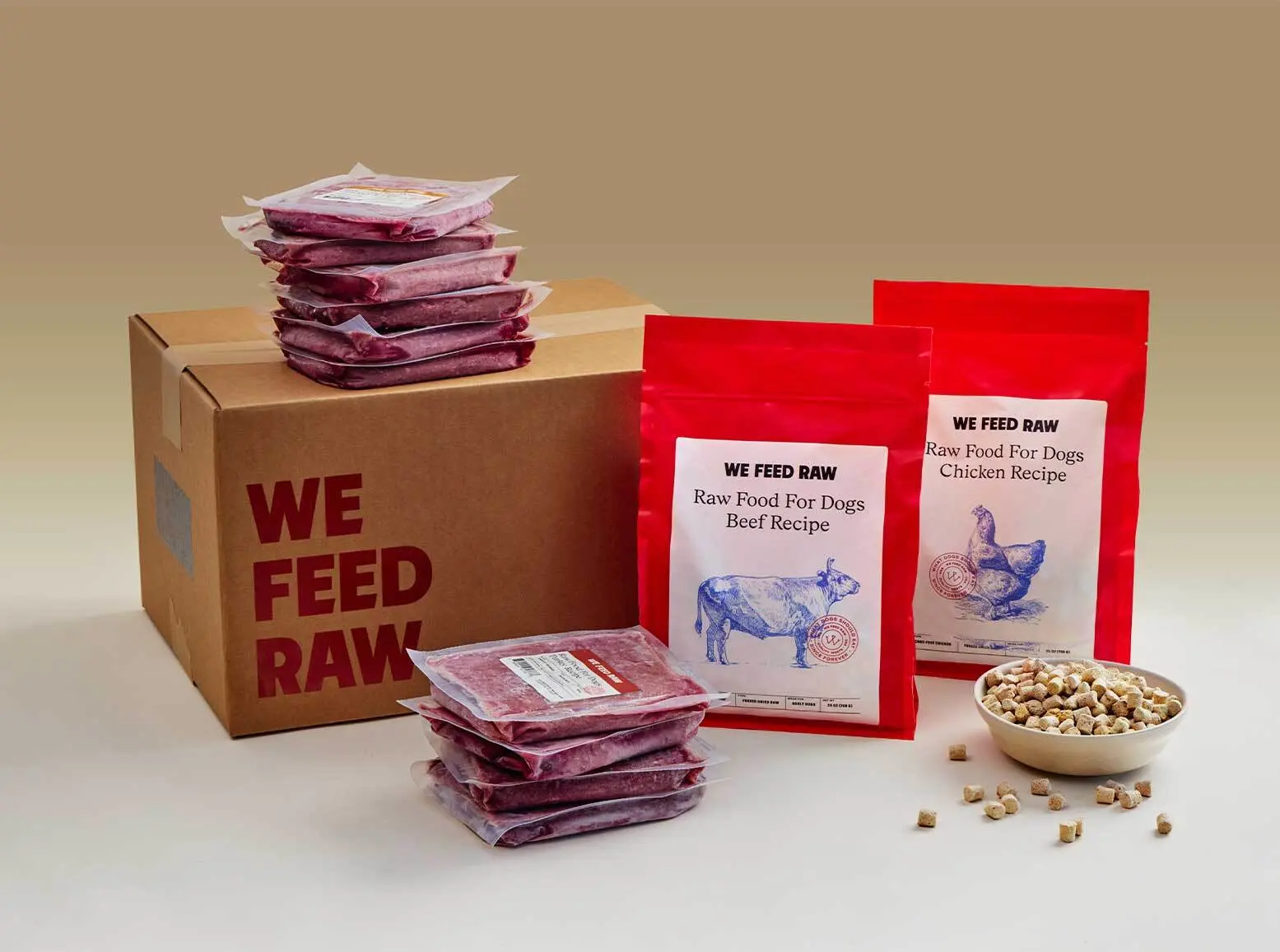
•100% Raw Feeding: Provides maximum digestive relief, dramatically smaller stools, and complete removal of inflammatory carbohydrate fillers. All five of We Feed Raw's frozen recipes meet AAFCO standards for all life stages, including large-breed puppies.
•Combination and Topper Feeding: Replacing even 25% to 50% of dry food with raw patties introduces active enzymes, bioavailable animal protein, and natural hydration to soothe an overworked gut.
•Shelf-Stable Freeze-Dried Raw: For adult dogs, We Feed Raw's freeze-dried recipes offer complete raw nutrition with the convenience of dry storage, making it simple to feed at home or while traveling.
According to Dr. Richard Patton: "We Feed Raw is good by default because it avoids the major sin of kibble. And it is also good because it aligns with the primordial anatomy, physiology, and enzymatic machinery of all canines, domestic or wild, ancient or modern."
How Can You Give Your Dog Lasting Digestive Relief?
You can give your dog lasting digestive relief by transitioning to We Feed Raw's species-appropriate, cold-pasteurized meals customized to their individual caloric and nutritional needs.
Replacing heavy starches, synthetic thickeners, and extruded dry pellets with clean, unheated animal protein allows your dog's digestive system to rebuild natural digestive enzyme activity and maintain long-term gut balance.
Take our quick online quiz today to build a personalized meal plan tailored to your dog's age, weight, and digestive profile, and experience the health benefits of biologically appropriate raw feeding.
Our Meals Change Lives.
(Theirs + Yours.)
See health improvements from our raw meals in as little as 1 week.
Find your dog's perfect plan


